
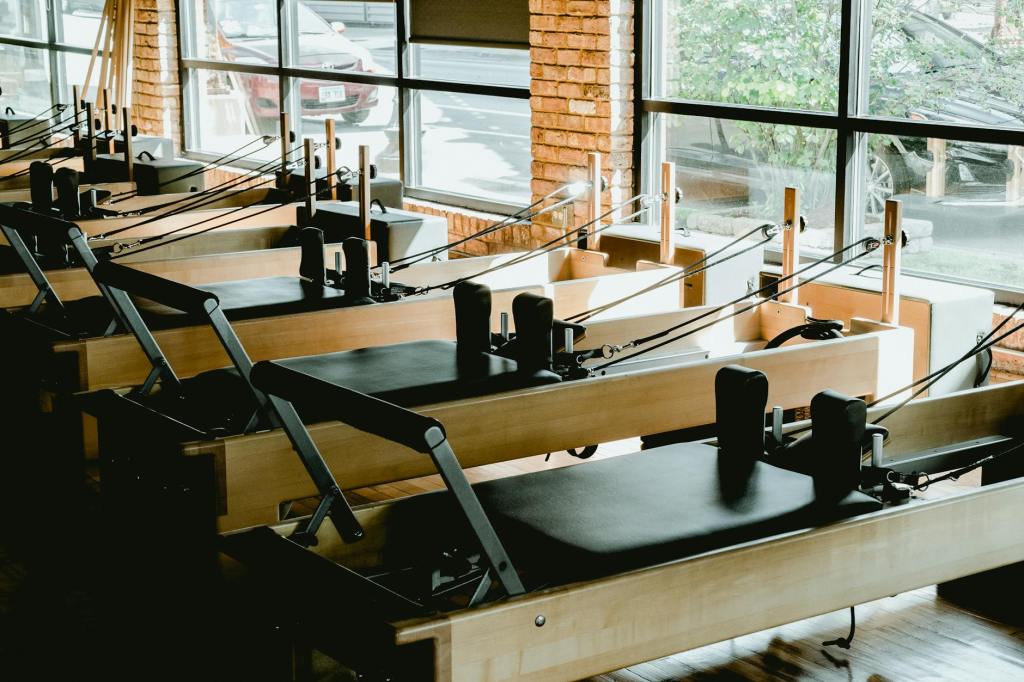
Three months ago, I wrote about my experience doing Pilates for my IT band syndrome. I am pleased to say that my condition has improved a lot more since then.
In this post, I wanna share my progress with Pilates as part of my physical rehabilitation programme and how it has been a great influence on my body and mind.
This post is for those who have physical injuries and are considering Pilates as a workout alternative for muscle strengthening or are interested in knowing the benefits of Pilates to help with their knee pain.
This post is not for you who seek insight about Pilates for improving physical appearance or participating in a TikTok trend. Please know that not all of us do Pilates or gym or any other type of workout for aesthetic-driven purposes.
P.S: This is not medical advice. I am sharing my personal experience for educational purposes only. Do your own research and use common sense to see if Pilates is for you. Please consult your own physicians before trying any new exercise programme or medical procedures.
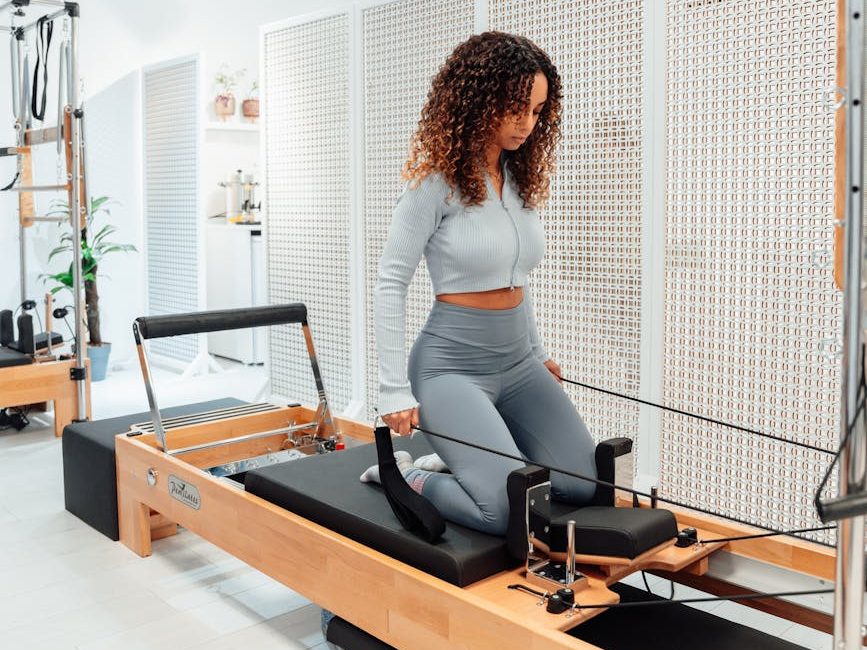
Background Recap
🎀 Also read my initial post about my Pilates experience here
I have been suffering knee pain in my left leg since I was a child, and it hinders me from doing basic physical activities, including sitting and walking (let alone running). My orthopaedic doctor told me the problem is in my IT band, which puts a lot of strain on my lower back and knee. I often injured my left leg too, from spraining it to breaking my ankles.
My physios all tell me that it was the muscle weakness around the knee that caused all the pain and discomfort. That also causes imbalances, which was also why I often got injured just by walking.
I remember that morning when I saw my latest physio for the first time; she told me the hard truth about facing this condition: with muscles, we either use them or lose them.
In short, ironically, I have to do muscle-strengthening exercises to alleviate the knee pain. Remember that I cannot even sit without feeling pain and strain in my left leg. Squats and lunges are so painful; it’s like a sharp knife is stabbing my knee.
As my doctor told me not to do running, jumping, and other things that stress the knee, my physio recommends Pilates as an exercise.
Muscle Areas
When the pain is in the knee, one of many reasons is that the muscles around the knee are weak and underused, making the knee overcompensate.
There are three main areas that my healthcare team told me to strengthen:
- Core
- Glutes
- Hamstrings
My Routine
I do reformer Pilates twice a week in a group class. One is cardio Pilates, and the other is reformer+tower. Each class is 55 minutes long.
There are very few times when I did not go due to period pain or I didn’t get in from the waitlist. But safe to say, I have been very consistent with Pilates every single week.
I also do stretches at home for my IT band that my physio taught me. Doing these alleviates pain from doing house chores.
Two times a week I do walking around the neighbourhood to keep my leg muscles active.
The Updates
- I can now do squats and lunges without feeling sharp, stabbing pains in my knee and IT band area. This has allowed me to do longer reps and more sets during workouts.
- I no longer feel pain when I fold my knees, such as when sitting without or with chairs.
- I can now walk longer than 2 km without feeling pain or strains on my legs
- Better pelvic stability, which means my occasional lower back pain is GONE. Usually I always have pain radiating from my lower back, like at least twice a week. Now, I only experience it ONCE in the entire 3 months.
- I can do more difficult reformer moves: pikes, planks, plies – which all were nearly impossible prior to this
- I lost nearly 7 kg. Not because of Pilates alone, but Pilates strengthens my muscles, which allows me to move more and do more activities beyond my workout routine.
- Better spinal posture; at least when I saw myself in the mirror, I kind of looked less slouchy. I think it’s also a new habit that I built because Pilates helped me to be more conscious of keeping my neutral spine.
My plan forward
Keep doing Pilates, of course. I reaped the benefits myself in just 32 sessions, and it makes me feel happy and connected with my body.
On top of my usual weekly group sessions, I plan to incorporate a private session once a month with my usual instructor to correct my form and build strength in specific muscle areas to support my rehab goals. Sometimes I think my movements are correct, but they aren’t, so my instructor’s corrections are valuable in helping me train the target muscles properly.
That was my personal experience and progress with Pilates after 28 sessions. Are you also doing Pilates as a part of your injury recovery programme? Share your experience down below!
 Soda Syrup Blog
Leave a comment