

I have been suffering from chronic Iliotibial Band (IT Band) Syndrome since I was a kid, and it made my left leg really weak. Even sitting or folding my leg hurts, and don’t even mention running or climbing the stairs.
Because of this issue, my physical activity is very limited due to the pain, which led to more and more issues.
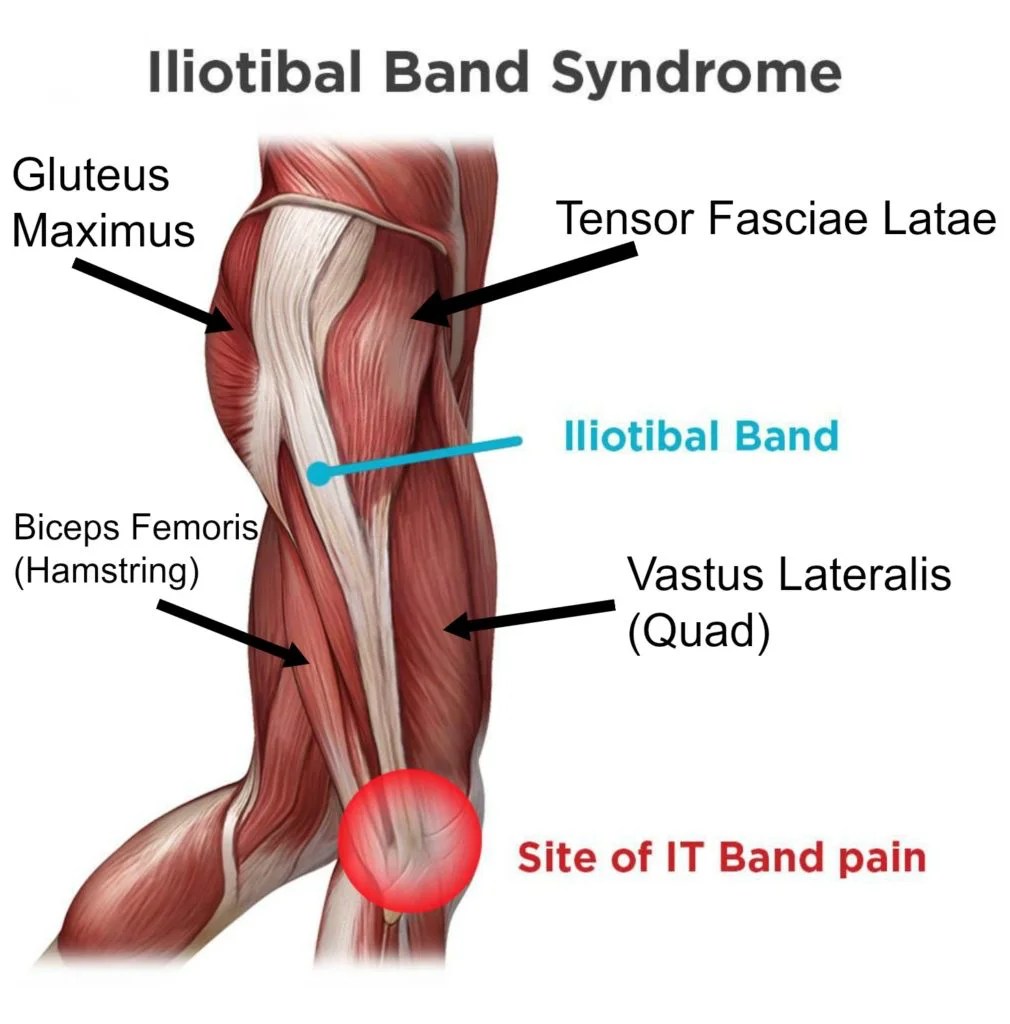
All of my orthopaedists and physiotherapists (yes, plurals) advised me to avoid physical activities that put much work in the knees—like avoiding walking too much, running, jumping, etc.—but at the same time they also told me to strengthen the weak muscles so that my knees would not overcompensate for other areas to support my movements. So, along with the prescribed strengthening exercises, they recommended low-intensity workouts that don’t put strains on the knees, like swimming. But I prefer a dry environment as an alternative to days when I got bored with swimming or do not have that much time to do the hustle and bustle after I get out of the pool 😅
My most recent orthopaedic doctor and physiotherapist recommended Pilates as an injury recovery workout that can also benefit my posture. Since I also have valgus knee (x-shaped legs) and anterior pelvic tilt—which my healthcare team thinks contributes to my leg issue—I decided to give Pilates a try.
What You Need to Know
Pilates is not a miracle workout; it is a method that would allow some individuals with injuries to exercise safely. While some people did the workout to achieve certain aesthetic purposes, I mainly added Pilates to my routine because of my leg injury. Joseph Pilates, the founder of Pilates, created the workout that can safely aid in rehabilitation, injury recovery, and muscle strengthening—everything that I was advised to do by my doctors & physiotherapists.
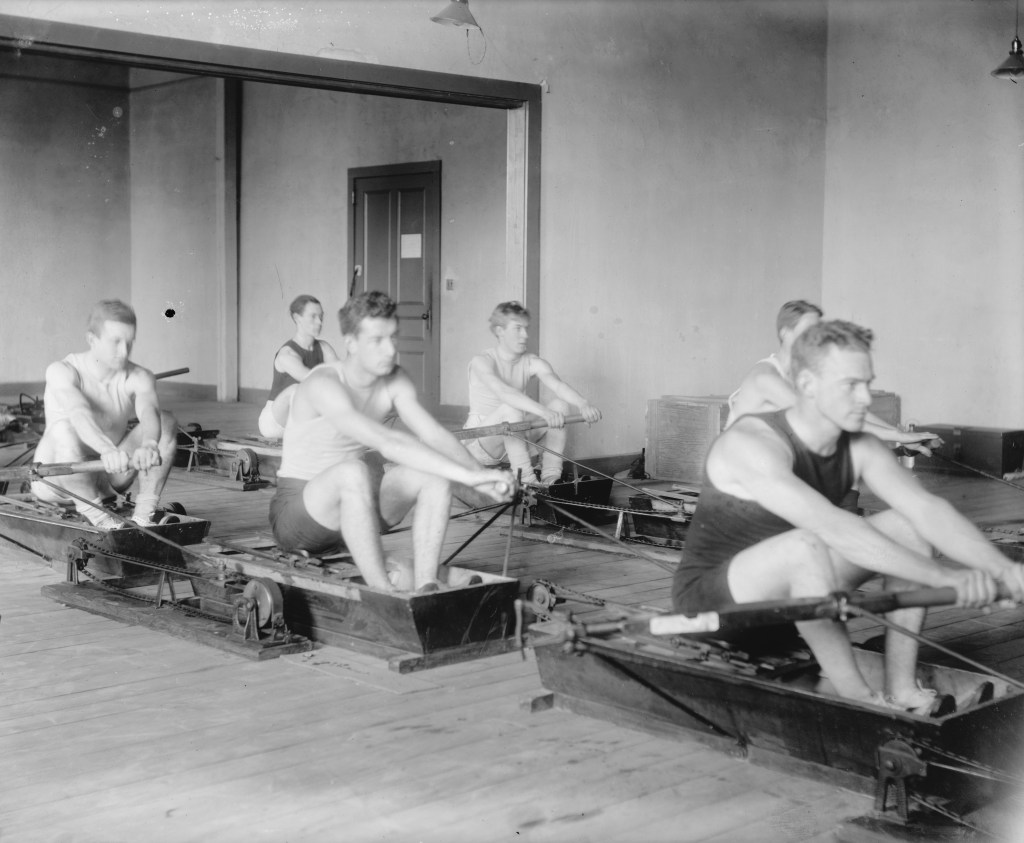
Photo by Library of Congress on Unsplash
There are two types of Pilates that I know: mat work and with equipment.
One of the pieces of equipment for Pilates is the reformer. While you definitely can work out without one, having a reformer helps to achieve movements that mat work alone cannot do. The other reason is that reformer provides a safe and effective way for people with injuries to exercise. Which we think would be a perfect addition to my recovery plan.
Choosing The Right Studio
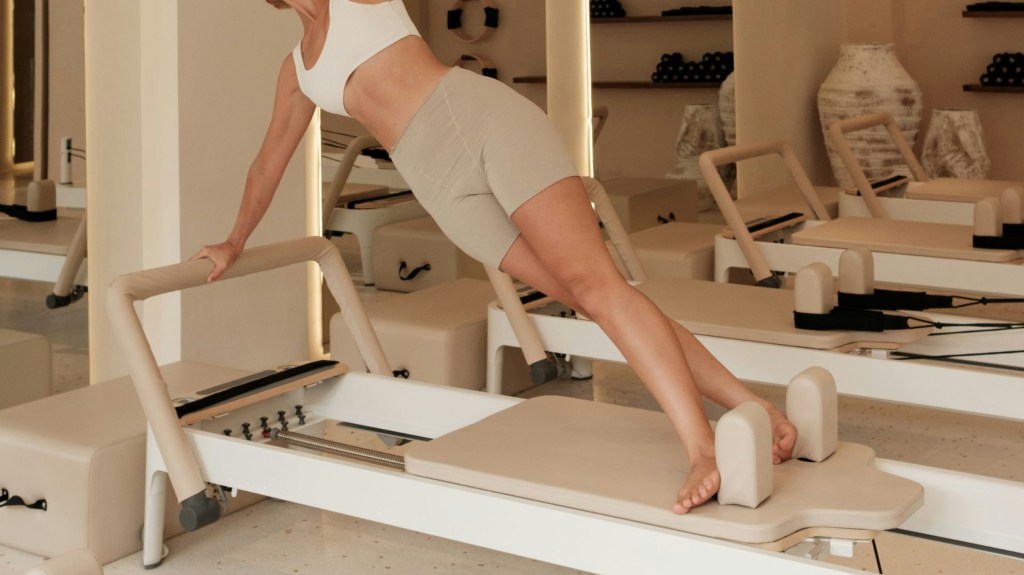
First, I personally like to choose places that align with my mindset and fitness goals and not hard-selling ideas of ‘get a hot body.’
Remember, I did Pilates because it was recommended by my healthcare team to strengthen my muscles, or else my legs will become weaker if I keep avoiding exercises due to the hardcore pain.
Second, I prefer joining sessions led by certified instructors, as they’ve likely received training in human anatomy and have the proper mindset for teaching. I don’t want to get yelled at by strangers just because I cannot squat deeper due to my knee injury (and believe me, those people exist, and I don’t want to deal with them anymore).
Lastly, the vibe has to be welcoming, accepting, and slightly leaning to a medical/wellness mindset (?), if that makes sense. I tend to avoid places that only focuses on aesthetic purposes; as per my own personal experience, many of them tend to hard-sell things, and the girls over there are often so mean 😭
Where I Go to Take Classes
My current studio is Breathe Pilates Singapore because they tick all of my preferences above! ✨
Breathe Pilates is a MERRITHEW™ Licensed Training Center and their instructors are certified in STOTT PILATES®. They also have five studios across the island, and one is conveniently located within my reach.
They offered private, duo, group, and hybrid, as well as various types of classes such as GYROTONIC® and post- and pre-natal classes for the amazing mums who want to go back to exercising safely after giving birth.
You can read more about their services and pricelist if you are interested.
My Experience
I have tried quite a number of Pilates studios from Indonesia, Australia, and Singapore, and I think my experience with Breathe Pilates Singapore is the most pleasant.
I went to their The Heeren studio in Orchard Road for group classes and used to go to the Parkway Centre studio for the private sessions.
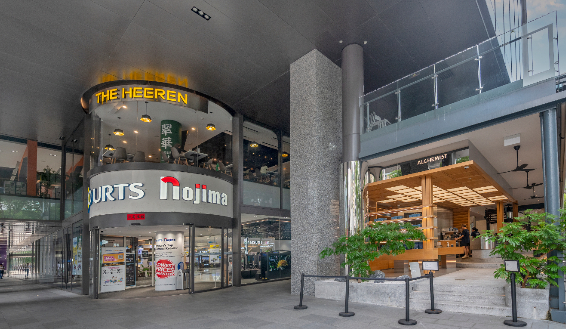
There are several levels for the group classes, and I am currently taking the Reformer and Tower I sessions (basic level) in The Heeren studio. It was definitely challenging yet really fun at the same time. Some exercises can be quite harder than the others, but that’s exactly what I wanted: to push myself to get better at strengthening and conditioning my muscles.
But my favourite part would be my instructor, though. She explains step-by-step instructions very well and easy to follow and is very patient towards the students too. For that, I really respect her!
Result
After two months, I do find that my left knee pain has significantly reduced, and I barely feel pain when doing daily activities anymore. Before constantly doing Pilates, I still felt pain and strain in my legs even from walking. This is such a huge win for me because I can finally feel free and enjoy more physical activities 🥰 I do believe one reason is because Pilates does help strengthen the muscles in my core, things, and glutes—which are what my healthcare providers advised me to do to reduce the pain in the IT band.
Like at the beginning, even doing a simple squat is hard for me, and I can feel pain panging (not sores!) after exercising. But after staying consistent for two months, I am very rarely, almost not at all, feeling any pain. It is a huge win in my recovery journey.
I also feel less fatigued and more energised. Like, when I wake up, I feel more rejuvenated from my sleep and have the energy to do work and chores. I guess that is what exercise in general does for our body. But Pilates, as a low-impact strengthening exercise, does not drain my energy reservoir like higher intensity workouts such as gym or tennis sessions, which allows me to retain my energy at the right level 🤩
Was It Worth The Time and Money?
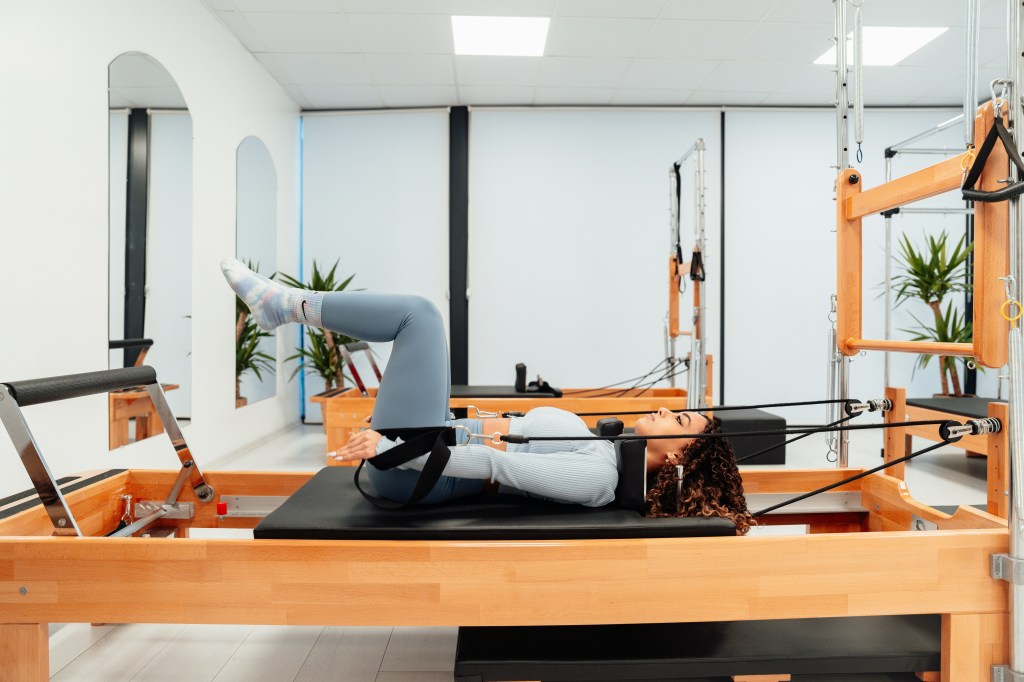
Of course, yeah! I saw the result and reaped the benefits of the Pilates. I have been suffering with this pain for 20+ years, and when I finally found the right regimen for me, I would definitely continue it and recommend it for those who experienced similar things.
The price might be more expensive than several studios out there. So maybe you can have a trial first and see if it is the one for you. I personally respect knowledge and expertise, so I do not mind paying the price if it could deliver the result. But most importantly, do not cause any more injury or headache.
Final Thoughts
Overall, I am pleased with my Pilates reformer experience and would definitely continue taking classes as a part of my recovery plan.
I think Pilates is great for people who are recovering from injuries and want to integrate exercises back into their routine slowly and safely. Of course, you need to consult with your healthcare team first before starting any kind of workout in your routine. Fortunately, my doctor and physiotherapist are spot on when recommending Pilates to me.
If you are taking private sessions, I would also suggest you look for places that really understand Pilates for injury recovery so they can tailor the workout to your condition and goals.
Always remember to approach exercise with the right mindset. Your health isn’t just skin deep—building a stronger body not only helps you enjoy daily activities with ease but also supports long-term physical and mental well-being 💖🧘♀️
Thank you for reading, and if you have any questions, feel free to leave them in the comments down below!
xx
Soda Syrup

 Soda Syrup Blog
Leave a reply to 32 classes later: 5 months of Pilates as physical rehab & muscle-strengthening routine – Soda Syrup Blog Cancel reply